- Title: Le Mépris
- IMDb: link

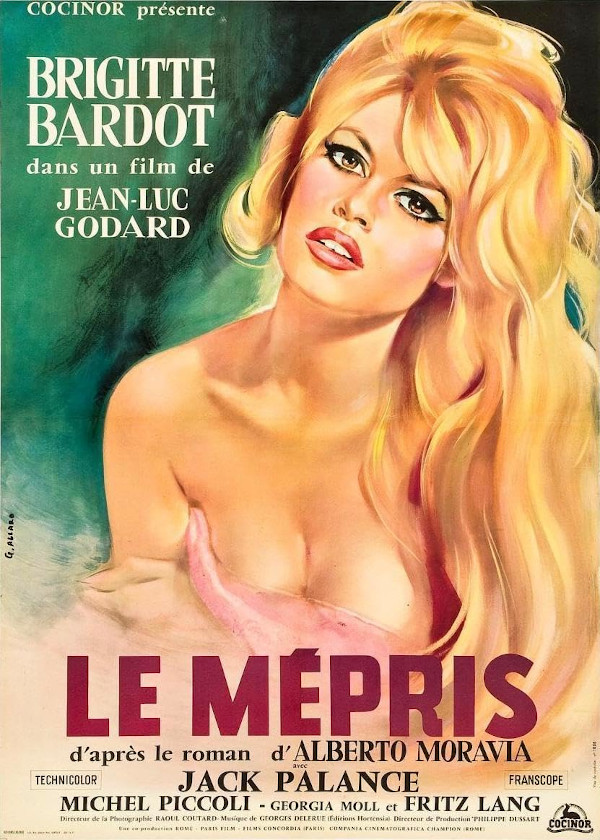
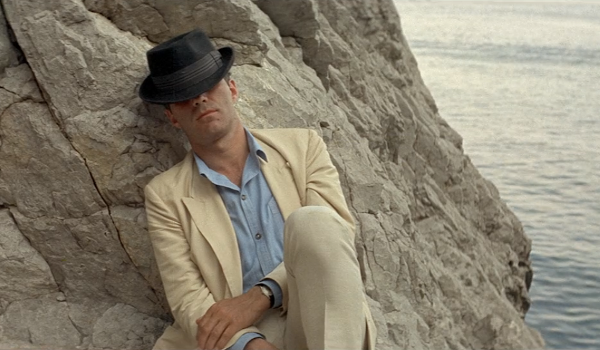
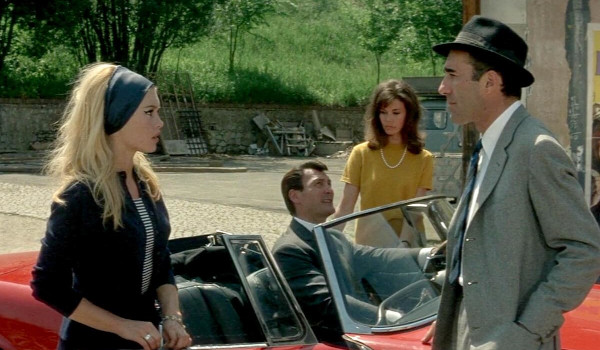
With Christopher Nolan‘s big-budget of adaptation looming, we take a quite different look at a film exploring Homer‘s classic tale. Written and directed by French New Wave director Jean-Luc Godard, 1963’s Contempt centers on playwright Paul Javal (Michel Piccoli), whose marriage falls apart after he agrees to help rework the script for American producer Jerry Prokosch (Jack Palance) and German director Fritz Lang‘s (playing an exaggerated version of himself) production of Homer’s The Odyssey.
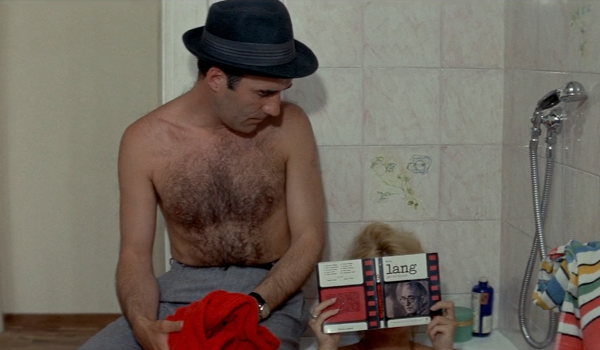
Having much to say about art, high culture, and the gross commercialization of movies, which caused Brigitte Bardot to be cast in the lead female role, Contempt was the most financially successful film of Godard’s career. Humorous jabs at filmmaking abound as the German director, the French screenwriter, and the American producer continue to bicker about how every aspect of the story should appear on-screen.
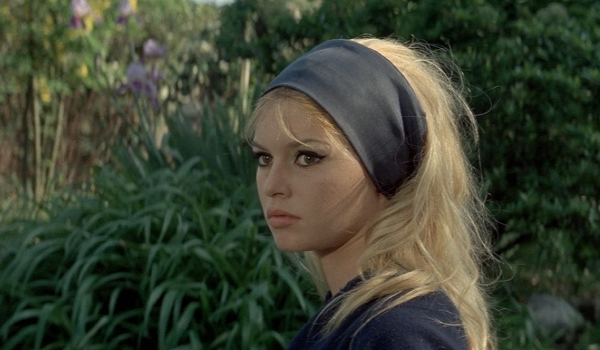
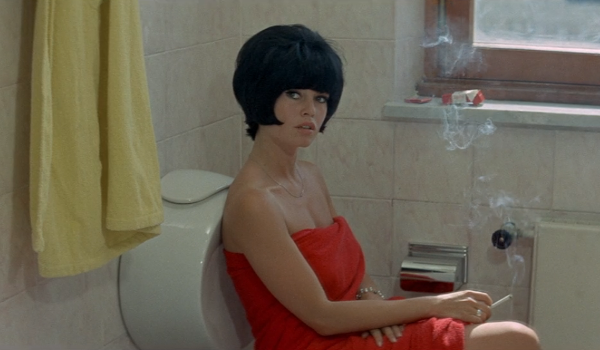
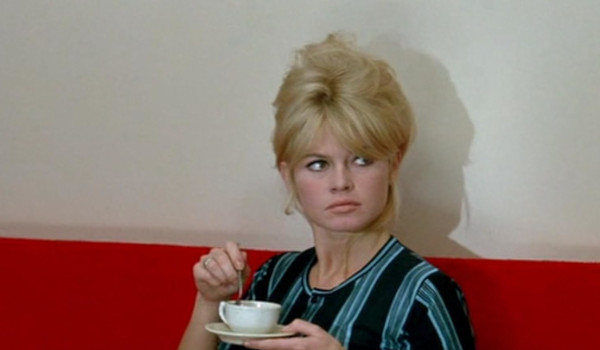
The film is built entirely around an argument and its fallout between Paul and his wife Camille (Bardot), which occurs after Paul (either knowingly or naively) pressures her into taking a drive with Prokosch leading to one of the most interesting explorations of disagreements between spouses ever caught on film.
We’re given an extended fight between the pair in their small apartment, ending with Camille announcing she no longer loves him. Although the pair remain together for most of the film, with Paul attempting to win her back and rekindle their romance, the relationship (like the movie project) has been poisoned beyond repair and continues to fester. Believing her husband bartered her to the producer to further his own career, Camille’s love turns to contempt as Paul’s odyssey ends disastrously with no film or marriage to show for his efforts. How Greek.
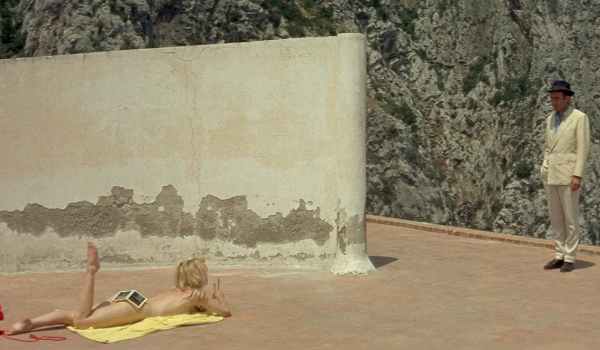
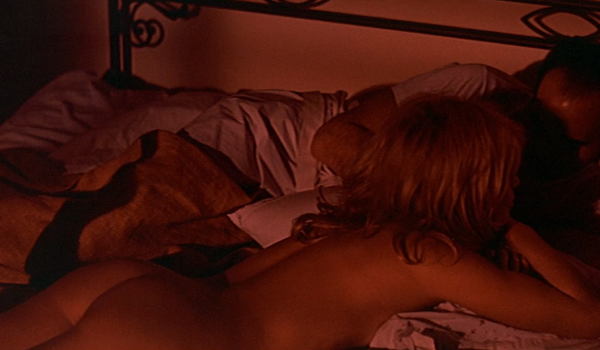
Beautifully shot in Rome and Capri by Godard and cinematographer Raoul Coutard, the adaptation of Alberto Moravia’s A Ghost at Noon was well-received. Although some critics even to this day disagree whether Contempt is one of Godard’s better films, even its detractors admit that Godard managed to get perhaps the best performance of her career from Bardot (cast mainly for her sex appeal and the studio required nudity). Although the marital sequences work better to me than some of inside baseball jibes at filmmaking, the film holds a sort of magic with Godard using his most commercial film to rail against the commercialization of his industry that made it possible.