- Title: Jaws
- IMDb: link
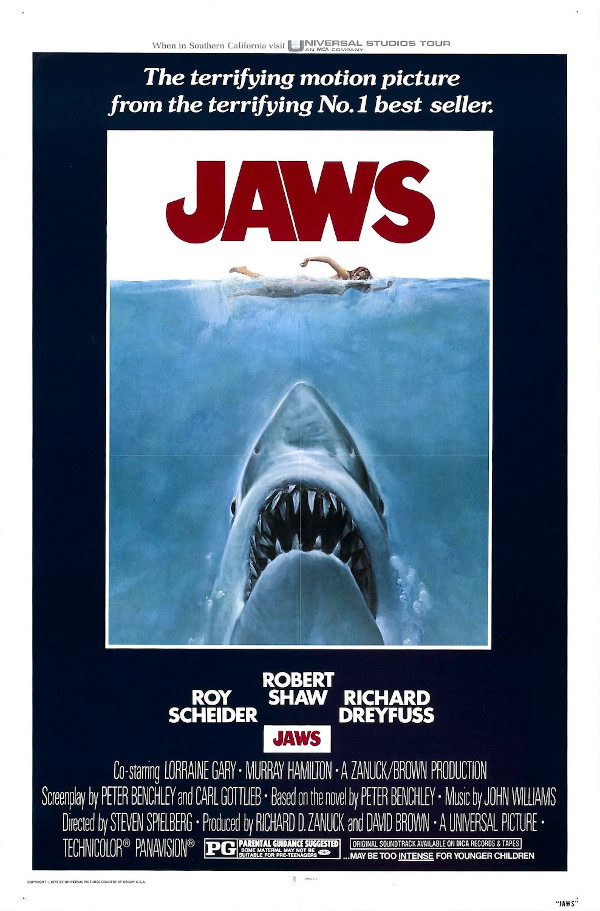
Released 50 years ago, Steven Spielberg‘s Jaws forever changed what a summer movie was and what horror movie was capable of. Far more successful than anyone could hope, Jaws captured the hearts and minds of audiences making it the most profitable movie ever released in theaters (at least until a certain sci-fi fantasy hit theaters two years later). Despite it’s troubled production, including a mechanical shark that often wouldn’t work as intended, Spielberg delivered by suggesting the shark’s presence through most of the first-half of the film relying heavily on his human actors and John Williams‘ famous score to set the mood of the film.
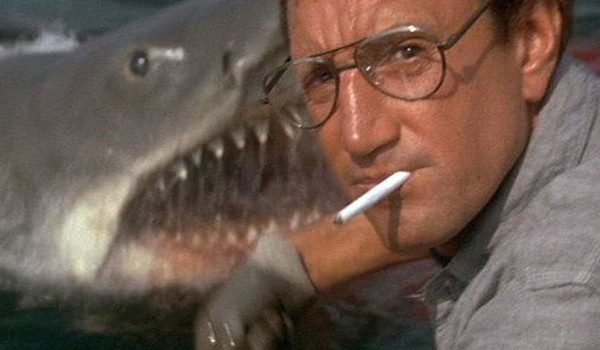
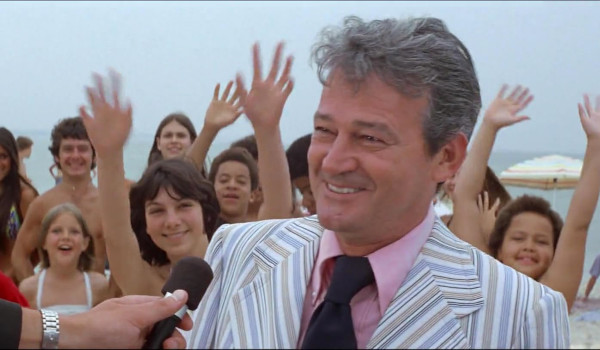
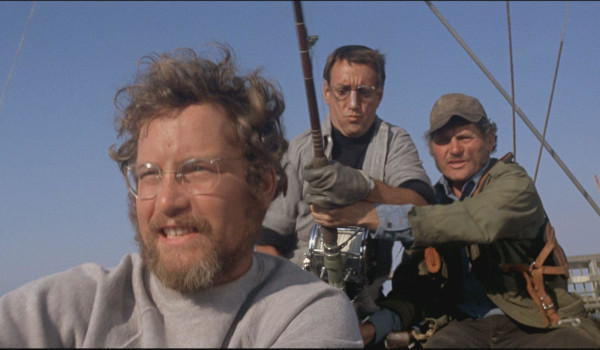
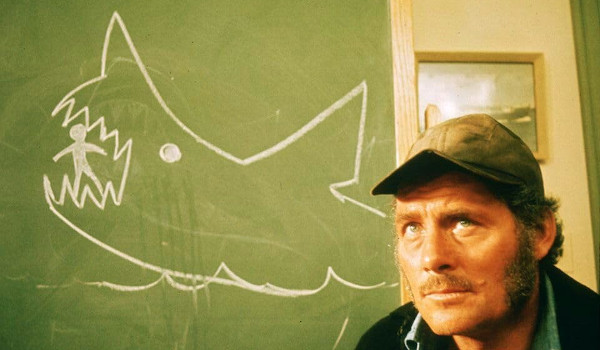
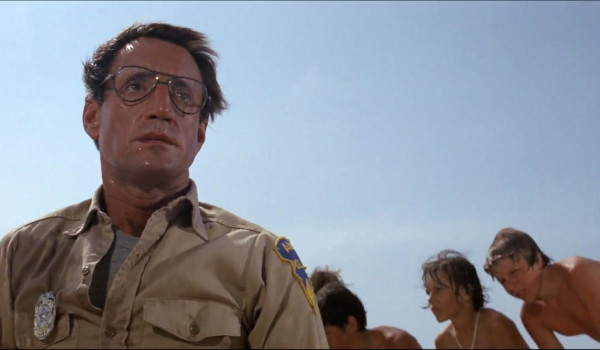
Set on the small Northeastern town of Amity Island at the beginning of summer, the film follows the struggles of Police Chief Martin Brody (Roy Scheider) unable to get the town’s mayor (Murray Hamilton), who cares more about the summer business than the safety of its residents or the incoming vacationers, to shut down the beaches after the first attack and his decision ultimately to take to the ocean along with a mad shark hunter (Robert Shaw) and marine biologist (Richard Dreyfuss) to kill the shark. The first-half of the film is the unsure Brody struggling to do the right thing in a town in which he’s still seen as the outsider. He allows himself to be talked out of drastic action leading to deadly consequences.
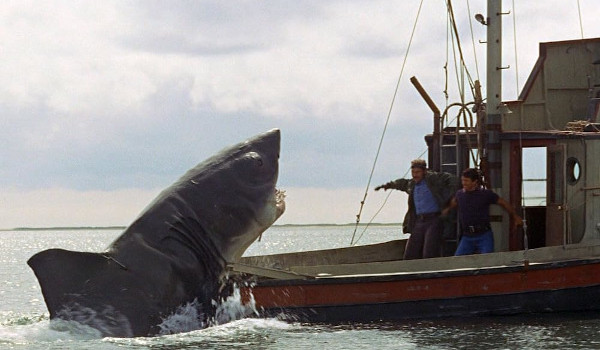
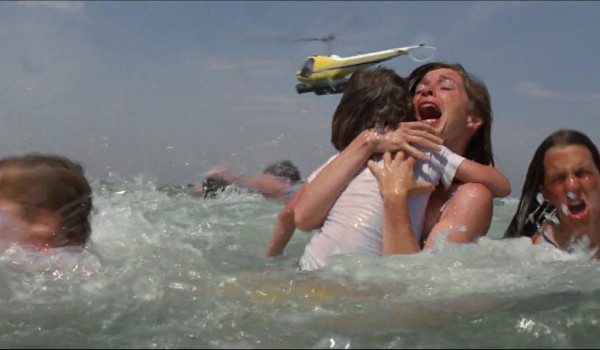
The film is a monument to greed and stupidity of the Amity’s town council and residents, valuing monetary gain and fun in the sun over potential loss of life, with Brody being possibly the only sane man in the entire town as even Quint and Hooper have their own personal obsessions for getting on the boat. There are several great sequences here including each of the shark attacks and the extended climax on the water. We also get a beach day where no one is crazy enough to get in the water until the mayor bullies them in, Brody’s horror of the council hiding the truth about the first attack and ignoring the evidence that the shark is still within its waters, and, of course, all of the moments on the boat including the famous sequence in which a drunken Quint and Hooper compare scars.
While it might look dated in places, Jaws holds up remarkably well a half-century later. Filmed on location long before CGI, you can feel and almost touch every aspect of the film. Amity feels like a real location, possibly even more today where the actions of everyone involved feel not only possible but prescient. The film can be divided into two parts (those in Amity and those on the Orca), but I don’t know that I prefer either of the other as both are successful in their own right with the first-half building tension which will finally explode on the water when the three men encounter the shark.
Watch the trailer