- Title: The Odyssey
- IMDb: link

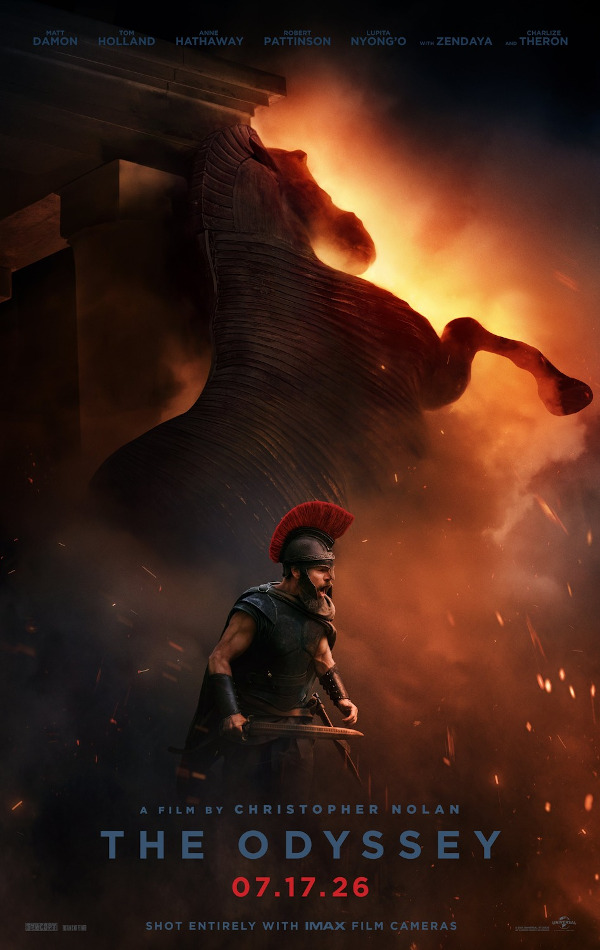
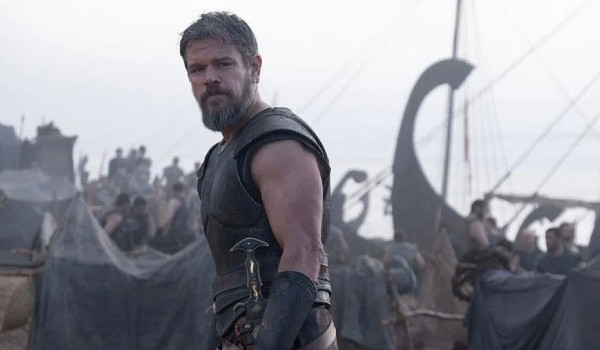
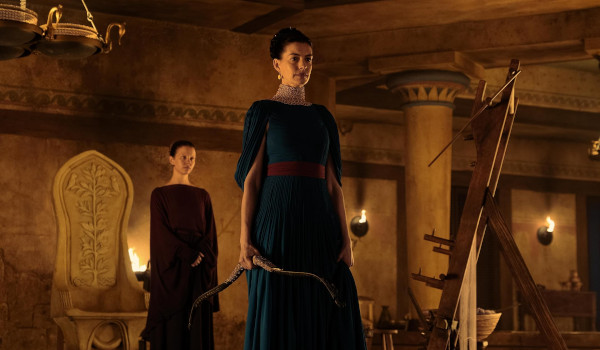
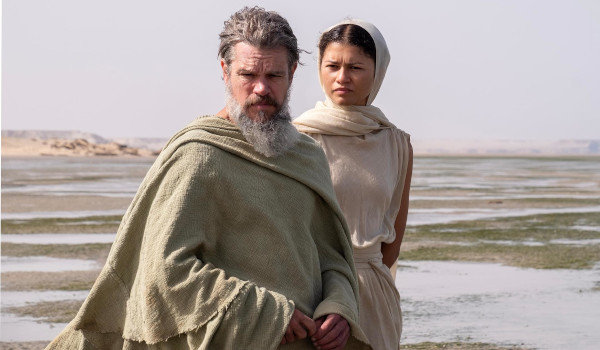
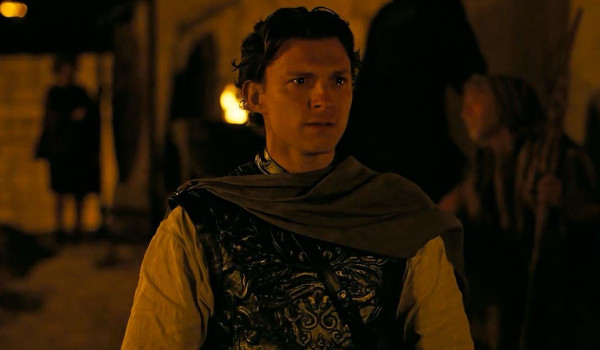
Christopher Nolan delivers his epic interpretation of Homer‘s Odyssey which, behind gods and monsters, is the tale of one man’s journey home from war. Nolan casts Matt Damon as Odysseus who, when the film opens, is already lost to the world. His home has been overrun by suitors (most notably a sleazy Robert Pattinson) for his wife (Anne Hathaway) who have ill-intentions for his throne and his son (Tom Holland).
Nolan does makes some significant changes to Homer’s story, largely keeping the machinations of the gods off-screen. Although we see Odysseus speak to Athena (Zendaya) there is some doubt as to whether it is she or just his own guilt and madness at work. As for the rest of the gods, their anger or wrath only appear as storms or rough seas rather than given human form at any point to the tale. There are warnings and omens to be foretold, but Nolan is far more interested in men than gods in this adaptation (although slighting a god does bring with it very real consequences for Odysseus and his crew).
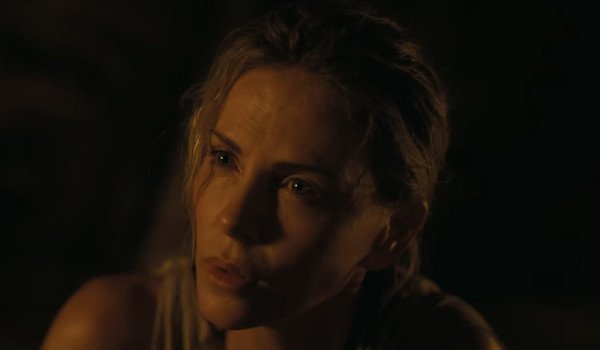
Along with the rough seas and growing condemnation from his men as the journey home seems unreachable, we get many of the monsters of Homer’s myth including the cyclops, giants, witches, sirens, whirlpools, sea monsters, and even the dead. The best of these are more human obstacles in Circe (Samantha Morton) and Calypso (Charlize Theron) with some of the CGI-rendered monsters being far less developed or interesting. This is one of the film’s few failings.
The biggest change Nolan makes to the story is Odysseus himself, adding a bit of modern thinking to Ithaca’s king. Nolan makes Odysseus’ shame over the victory at Troy another obstacle to be overcome, by far the hardest for Odysseus to best. That shame adds another level to the king’s eventual return in a final act that pays off the long journey in blood and tears.
Nolan’s vision isn’t perfect. At nearly three-hours there are certainly sequences that could be cut or instead putting that time to better use to highlight the other monsters that, other than the cyclops, get very little screentime and no development. The most obvious place to cut is of course Ithaca, and the greedy suitors who, after introduction, don’t need to be returned to over and over again prior to Odysseus’s return. Of all the film’s sequences, these feel like the most skippable on rewatching.
And this is a film worthy of multiple viewings. Nolan’s epic journey does offer both the grandeur of Homer’s epic and a deeply personal story of Ithaca’s tormented king. What he delivers here is one hell of a theatrical experience that I wouldn’t mind sitting through again.